Home
Home
The Essential Guide to the Jacksonville Humane Society on Beach BLVD
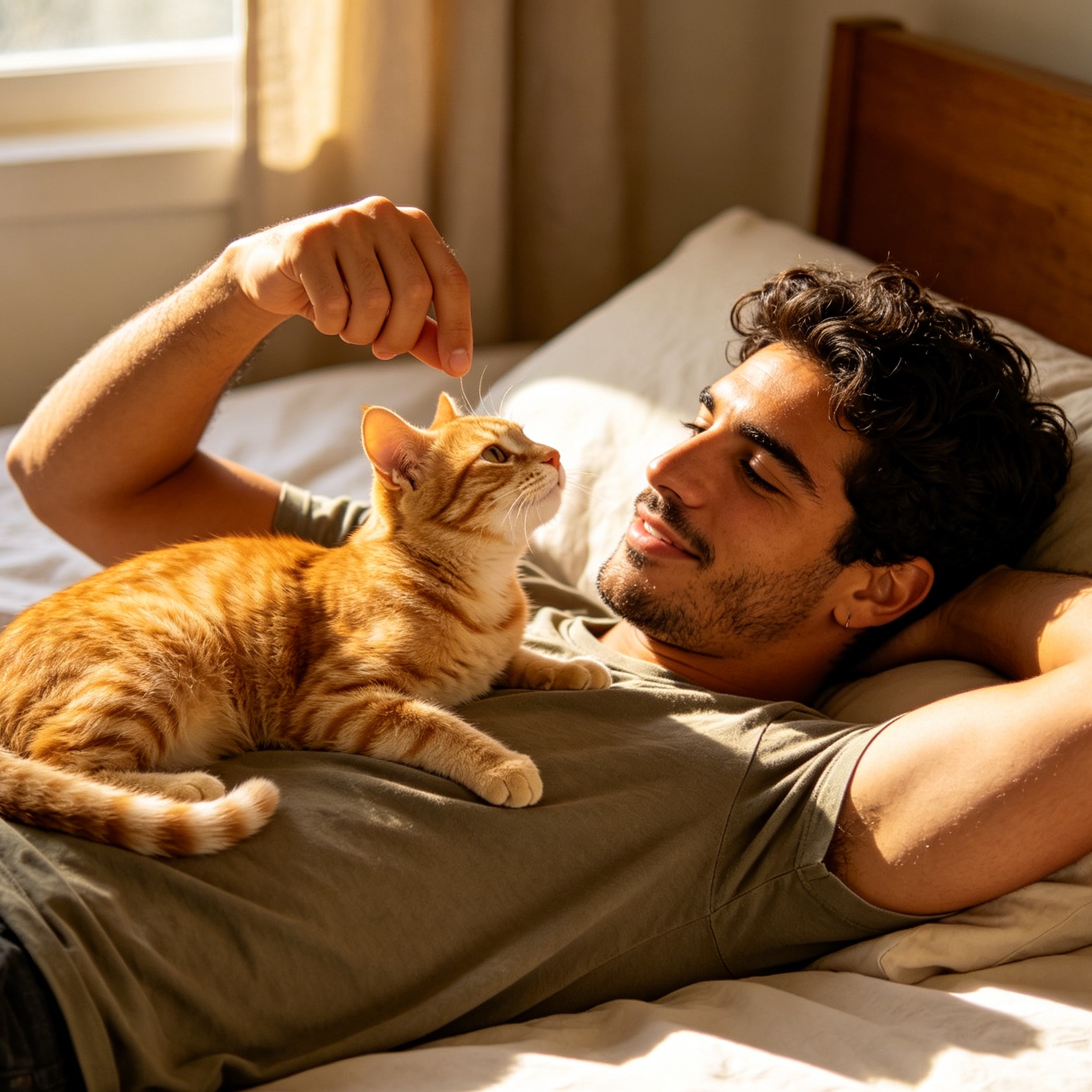
The Jacksonville Humane Society (JHS) serves as the heart of animal welfare in Northeast Florida. Located at 8464 Beach Blvd, Jacksonville, FL 32216, this non-profit organization focuses on connecting people with pets while providing critical resources to keep families together. Unlike municipal animal control, JHS relies entirely on donations and community support to fund its mission of compassion and care.
Core Contact Information and Hours
For those seeking immediate assistance, the following details are essential for visiting or contacting the facility:
- Physical Address: 8464 Beach Blvd, Jacksonville, FL 32216
- Main Phone Line: (904) 725-8766
- Pet Help Center (Owner Resources): (904) 493-4584
- Adoption Center Hours:
- Monday through Friday: 12:00 p.m. – 7:00 p.m.
- Saturday and Sunday: 10:00 a.m. – 5:00 p.m.
- Administrative Office Hours: Monday through Friday, 8:00 a.m. – 5:00 p.m.
The adoption center remains open on most holidays except for Thanksgiving and Christmas, though special hours typically apply, often closing early at 4:00 p.m. on days like Memorial Day or Juneteenth.
How to Adopt a Pet at the Jacksonville Humane Society
Navigating the adoption process at JHS is designed to be user-friendly, prioritizing the right match between a pet's personality and a family's lifestyle. Walking onto the campus on Beach Blvd, the first thing visitors notice is the modern, welcoming environment. The adoption center is vibrant, often filled with families looking to meet a new canine or feline companion.
The Online Waitlist and Walk-In Policy
JHS strongly encourages walk-in adoptions. To manage the flow of visitors, especially during busy weekends, they utilize an online waitlist system. Upon arrival, visitors can sign in at the front desk. If the center is at capacity, joining the digital waitlist allows you to wait in your car or explore the nearby area without losing your place in line. This system sends a text notification when an adoption counselor is ready to assist you.
While appointments are available for those seeking a more personalized, one-on-one matchmaking session, they are not required. It is important to remember that adoptions are handled on a first-come, first-served basis. Even if you have an appointment, the specific pet you saw online might be adopted by a walk-in visitor before your scheduled time.
Meeting Your Potential Match
The adoption counselors at JHS do more than just facilitate paperwork; they act as matchmakers. In our experience visiting the facility, the counselors often ask about your home environment—whether you have other pets, small children, or a fenced yard.
When you see a dog like "Nash," a mixed breed known for being laid-back, or "Cesery," a pup who thrives on Pupperonis and attention, the staff provides insights into their specific behaviors observed at the shelter. For instance, some dogs are identified as being "good with dogs" based on playgroup interactions, while others might prefer being the only pet in the home.
What to Bring for Adoption
To ensure a smooth transition, come prepared with the following:
- A valid government-issued photo ID.
- Payment method for adoption fees (which vary based on the pet's age and ongoing promotions).
- A leash and collar for dogs or a secure carrier for cats. If you forget these, the JHS retail nook often has basic supplies available for purchase.
- Verification of pet policies if you live in a rental property or an HOA, as JHS wants to ensure the pet will be welcomed in its new home.
Understanding the Difference Between JHS and ACPS
A common point of confusion for Jacksonville residents is the distinction between the Jacksonville Humane Society (JHS) and Animal Care & Protective Services (ACPS). While they both work toward animal welfare, their roles and funding structures are entirely different.
Jacksonville Humane Society (JHS)
- Status: Private 501(c)(3) non-profit.
- Funding: Donations, grants, and service fees. No government funding.
- Focus: Adoptions, community pet resources, and education.
- Policy: JHS does not handle animal control or law enforcement.
Animal Care & Protective Services (ACPS)
- Status: Municipal agency run by the City of Jacksonville.
- Location: 2020 Forest St, Jacksonville, FL 32204.
- Focus: Stray intake, public safety, and law enforcement.
- Cruelty Reports: If you suspect animal abuse, neglect, or need to report a dangerous roaming animal, you must contact ACPS by calling 904-630-CITY (2489). JHS does not have the legal authority to investigate these cases.
Resources for Lost and Found Pets in Jacksonville
Losing a pet is a traumatic experience, but JHS provides a structured framework to help reunite owners with their furry family members. Statistics suggest that one in three pets will go missing at some point in their lives, making these protocols vital for every pet owner in Duval County.
What to Do If You Lose a Pet
If your pet goes missing, time is of the essence. JHS recommends a multi-platform approach:
- File a Report: Visit the JHS website to complete a lost pet report. This enters your pet's information into their internal database.
- Petco Love Lost: JHS partners with Petco Love Lost, a tool that uses facial recognition technology to match photos of lost pets with those found in shelters and community homes. Uploading a clear photo of your pet's face is the most effective way to use this service.
- Physical Search: Most pets are found within a few blocks of their home. Walk the neighborhood, talk to neighbors, and post brightly colored flyers.
- Social Media: Join the "Lost Pets of Jacksonville, FL" Facebook group and post on Nextdoor.
What to Do If You Find a Pet
If you find a roaming dog or cat, rushing it to a shelter isn't always the best first step. Shelters can be stressful environments, and many pets are found very close to their actual homes.
- Check for ID: Look for collars or tags.
- Scan for a Microchip: You can take a found pet to any local veterinarian, or the JHS Pet Help Center, to be scanned for a microchip for free.
- The "Walk the Block" Strategy: For dogs, try walking them around the block on a leash. Often, the dog will lead you back to its house, or a neighbor will recognize the pet.
- Found Reports: File a "Found Pet" report on the JHS and ACPS websites so owners can find the information in a centralized location.
The Importance of Microchipping in Florida
In Jacksonville, where summer thunderstorms and holiday fireworks can easily spook animals, a microchip is a pet's ticket home. Unlike a collar, which can break or be removed, a microchip is a permanent form of identification.
How Microchips Work
A microchip is roughly the size of a grain of rice and is implanted under the animal's skin. It does not contain GPS tracking capabilities; instead, it holds a unique identification number. When scanned, this number links to a registry containing the owner's contact information.
JHS data indicates that microchipped dogs are over twice as likely to be reunited with their owners, while microchipped cats are a staggering 21 times more likely to find their way home compared to those without chips. JHS offers microchipping services, and it is crucial for owners to keep their registration information updated, especially after moving or changing phone numbers.
Supporting the Community Through the Pet Help Center
JHS goes beyond just rehoming animals; they work to prevent animals from entering the shelter system in the first place by supporting pet owners in crisis. The Pet Help Center, accessible by appointment, offers several "safety net" programs.
The Community Pet Food Bank
In partnership with Lutheran Social Services, JHS operates a pet food bank for Jacksonville residents facing financial hardship. This resource ensures that no family has to surrender their pet simply because they cannot afford a bag of kibble. This service is intended for temporary assistance and helps maintain the bond between pets and their people during difficult economic times.
Behavioral Assistance and Education
Sometimes, pets are surrendered due to behavioral issues like excessive barking, house-soiling, or anxiety. JHS offers a free Pet Behavior Helpline. Owners can email behavior@jaxhumane.org to receive professional advice and resources. Addressing these issues early can often resolve the problems that lead to the difficult decision of surrendering an animal.
Emergency Boarding
While capacity is extremely limited and handled on a case-by-case basis, JHS occasionally offers emergency boarding for owners experiencing temporary crises, such as hospitalizations or domestic violence situations. This program is a vital part of their mission to keep pets and people together.
The "Return to Home" Strategy for Community Cats
If you see a cat in Jacksonville with its ear "tipped" (the top of one ear is flat), it is a sign that the cat has been spayed or neutered as part of a community cat program. JHS advocates for a "Return to Home" strategy for these outdoor felines.
Why JHS Doesn't Intake All Outdoor Cats
Research has shown that traditional sheltering is often not the best option for healthy outdoor cats. Here is why:
- Low Reunion Rates: Nationally, less than 2% of cats brought to shelters are ever reclaimed by their owners.
- Home is Outdoors: Many outdoor cats have multiple caretakers and are well-adjusted to their territories.
- Health and Stress: Healthy adult cats often experience extreme stress in shelter kennels, which can lead to illness.
- Population Control: By spaying/neutering and returning these cats (TNR), the population is stabilized, and nuisance behaviors like spraying and fighting are reduced.
JHS urges residents not to "kit-nap" kittens found outdoors. Usually, the mother cat is nearby hunting for food. The best chance for a kitten's survival is to stay with its mother until they are old enough to be weaned and socialized.
Seasonal Pet Safety in Jacksonville
Jacksonville's unique climate poses specific risks to pets. The Jacksonville Humane Society frequently shares advice on how to navigate local environmental hazards.
Heat Safety
With Florida temperatures often soaring into the 90s with high humidity, heatstroke is a significant risk. Pets should never be left in a parked car, even with the windows cracked, as internal temperatures can reach lethal levels in minutes. If the pavement is too hot for your hand, it is too hot for your dog's paws. Walk pets in the early morning or late evening to avoid burned pads and overheating.
Thunderstorm and Firework Anxiety
Jacksonville is the lightning capital of the U.S., and frequent summer storms can cause extreme anxiety for pets. JHS recommends:
- Creating a "Safe Den": A quiet, interior room or a crate covered with a blanket.
- White Noise: Running a fan or playing soft music to drown out thunder.
- Secure Confinement: Ensuring all doors and gates are locked, as many pets bolt in fear during loud noises.
Hurricane Preparedness
During hurricane season, JHS emphasizes that if it isn't safe for you, it isn't safe for your pets. Owners should have a pet emergency kit ready, including:
- A two-week supply of food and water.
- Medical records and a photo of the pet.
- Current prescriptions.
- A sturdy carrier and leash.
- A list of pet-friendly hotels or shelters.
How to Get Involved: Volunteering and Donations
As a non-profit, JHS is powered by the "hearts, hands, and minds" of the community. There are numerous ways to support their mission beyond adoption.
Volunteering
Volunteers at JHS assist with everything from dog walking and cat socializing to administrative tasks and helping at the Pet Help Center. Because of the training involved, JHS typically looks for individuals who can commit to a regular schedule. It is a rewarding way for animal lovers to give back to the Jacksonville community.
Monetary and Item Donations
Financial contributions are the most flexible way to help, allowing JHS to direct funds toward emergency surgeries, kitten formula, or facility maintenance. However, they also accept item donations. Common needs include:
- Unopened pet food (wet and dry).
- Gently used towels and blankets (no sheets or pillows).
- Cleaning supplies like paper towels and dish soap.
- Enrichment toys like Kongs or cardboard scratchers for cats.
Donations can be dropped off at the Adoption & Education Center on Beach Blvd seven days a week during operating hours.
Protecting Yourself: Awareness of Scams
JHS has recently alerted the community to scams targeting owners of lost pets. Scammers often monitor social media lost-pet posts and contact owners, claiming to be shelter staff. They may demand "emergency surgery fees" or "transportation costs" over the phone to release a found pet.
Important: JHS will never demand payment over the phone for the release of a pet. If someone calls claiming to have your pet at the Jacksonville Humane Society, always hang up and call the shelter's official number directly at (904) 725-8766 or visit the facility in person to verify.
Frequently Asked Questions (FAQ)
What are the adoption fees at the Jacksonville Humane Society?
Adoption fees vary depending on the pet's age, breed, and current shelter promotions. Fees typically cover the cost of spay/neuter surgery, initial vaccinations, a microchip, and a heartworm test (for dogs). JHS frequently hosts "fee-waived" adoption events throughout the year, especially during high-capacity months in the summer.
Can I bring my current dog to meet a potential new dog?
JHS generally does not allow "dog-to-dog" introductions on campus for safety and health reasons. Instead, they provide detailed guidance on how to perform a slow, controlled introduction at home. Their behavior team can provide tips via email to ensure the new addition integrates smoothly with your existing pets.
Does JHS provide low-cost spay and neuter for the public?
While JHS focuses primarily on the animals within their care, they occasionally offer vouchers or community clinics. For consistent low-cost public veterinary services in Jacksonville, residents are often referred to organizations like "First Coast No More Homeless Pets."
Where should I report animal cruelty in Jacksonville?
Animal cruelty and neglect must be reported to the city's municipal department, Animal Care & Protective Services (ACPS), at 904-630-2489. JHS is a private adoption center and does not have the legal authority to investigate abuse.
Is the Jacksonville Humane Society a "No-Kill" shelter?
Yes, JHS is a leader in the "No-Kill" movement. This means they do not euthanize healthy or treatable animals for space. They work tirelessly to find homes for every animal in their care, even those with chronic medical conditions or behavioral challenges.
Summary of Services at JHS
The Jacksonville Humane Society is more than a shelter; it is a community resource hub located at 8464 Beach Blvd. By offering a robust adoption program, a Pet Help Center for families in need, and comprehensive lost and found resources, JHS ensures that Jacksonville remains a compassionate city for both pets and people. Whether you are looking to adopt a dog like "Houdini" (a calm senior looking for a porch to lounge on) or need help during a financial crisis through the pet food bank, JHS stands ready to assist. Remember that for emergencies and cruelty reports, ACPS remains the primary contact, while JHS serves as the go-to destination for adoptions and community support. By keeping your pet's microchip information up to date and supporting local non-profits, you contribute to a safer, kinder environment for all animals in Northeast Florida.
-
Topic: Jacksonville's Guide for Lost and Found Petshttps://jaxhumane.org/wp-content/uploads/2021/10/Jacksonvilles-Guide-for-Lost-and-Found-Pets.pdf
-
Topic: Contact - Jacksonville Humane Societyhttps://jaxhumane.org/contact/
-
Topic: Adopt a Pet in Jacksonville FL at The Jax Humane Societyhttps://jaxhumane.org/adopt/?trk=organization_guest_main-feed-card-text