Home
Home
Juno Temple Nude: A Comprehensive Look at Her Boldest on-Screen Roles
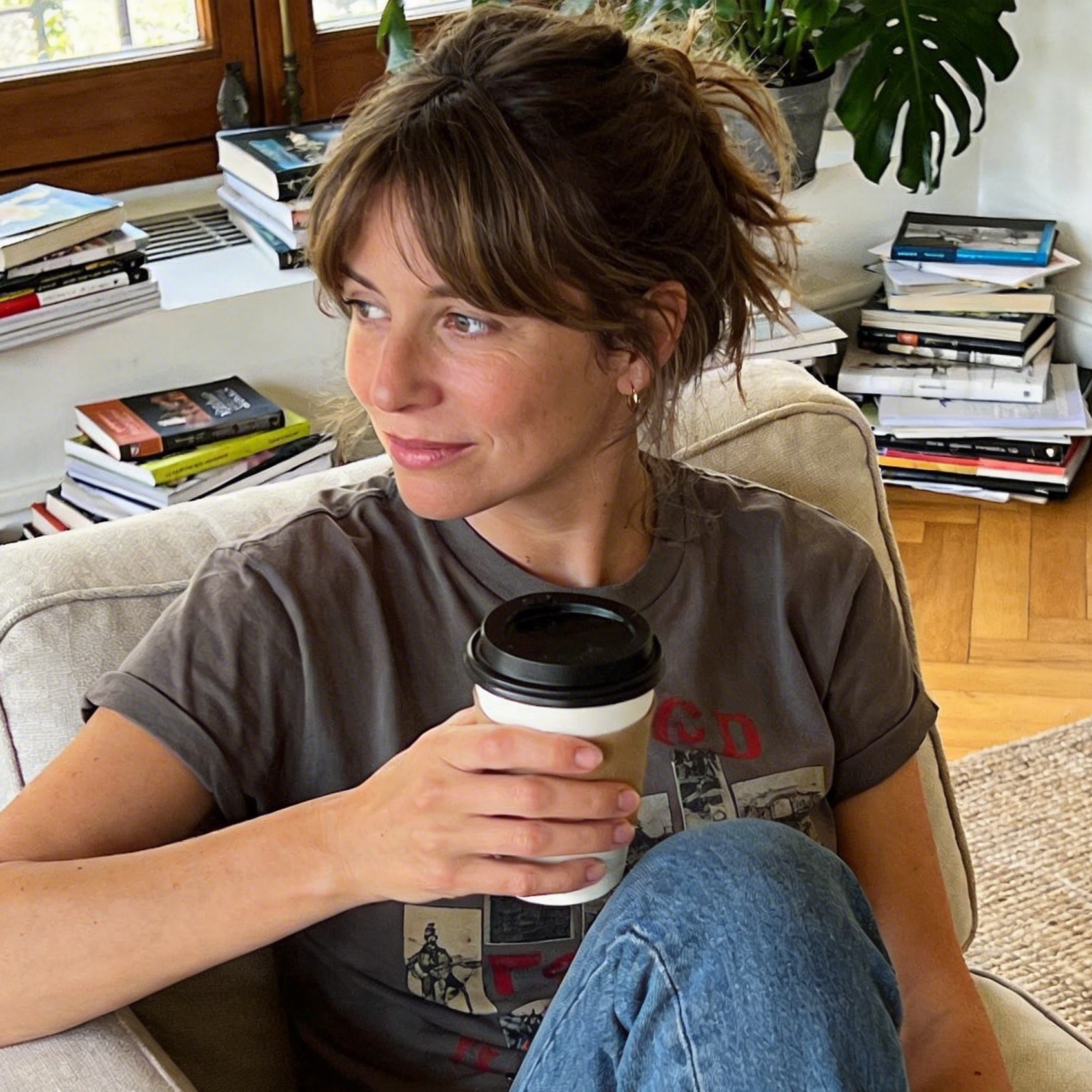
The filmography of Juno Temple stands as a testament to the power of fearless performance in modern cinema. Since her early breakout roles in independent films, she has consistently chosen characters that demand vulnerability, both emotional and physical. The discussion surrounding Juno Temple nude scenes is not merely about the frequency of her disrobing but rather about her commitment to the raw, unvarnished portrayal of the human experience. From gritty neo-noirs to high-stakes television dramas, Temple has utilized her screen presence to push boundaries, making her one of the most respected performers of her generation.
The Artistic Evolution in Early Indie Cinema
Juno Temple’s trajectory began with a series of daring choices in the late 2000s and early 2010s. In the 2010 film Kaboom, she portrayed London, a character that embodied the film’s chaotic and sexually fluid energy. This project marked one of her first significant forays into roles that required extensive nudity. In Kaboom, the scenes were designed to reflect the youthful experimentation of the characters. Her performance was noted for its lack of inhibition, a trait that would soon become her trademark.
Following this, the 2011 film Little Birds showcased a different side of her talent. Playing the role of Lily Hobart, Temple explored the desperate yearning of a small-town girl looking for an escape. The scenes involving nudity in this film were steeped in a sense of adolescent vulnerability and the harsh reality of coming-of-age. Instead of being stylized, they felt grounded and authentic, contributing to the film's melancholic atmosphere.
Killer Joe and the Narrative Pivot
Perhaps the most pivotal moment in her career regarding bold screen choices occurred in William Friedkin’s Killer Joe (2011). Playing Dottie Smith, a young woman caught in a lethal family scheme, Temple delivered a performance that was as haunting as it was brave. The film is notorious for its dark, uncomfortable themes, and Temple’s nudity was integral to the storytelling.
In Killer Joe, the nudity serves as a visual metaphor for Dottie’s innocence being exploited by the world around her. The scenes with Matthew McConaughey’s character are designed to make the audience feel the power imbalance and the inherent danger of the situation. This role solidified Temple's reputation as an actress who would not shy away from the most demanding and uncomfortable requirements of a script if it served the character's journey. It remains a benchmark for how physical exposure can be used to heighten psychological tension in a crime thriller.
Diversifying Through the Mid-2010s
As her career progressed, Temple continued to select projects that allowed her to explore different facets of performative bravery. In Afternoon Delight (2013), she played McKenna, a stripper who enters the life of a bored housewife. This role required a significant amount of on-screen nudity, including striptease sequences and intimate encounters. However, the film handled these moments with a focus on the human connection and the complexities of sex work rather than mere spectacle. Temple brought a sense of world-weariness and naivety to McKenna, making the physical scenes feel like a natural extension of her character’s daily life.
During this same period, she appeared in Magic Magic and Horns. In Magic Magic, the nudity was used to emphasize the character’s mental unraveling and isolation while in a foreign land. In Horns, alongside Daniel Radcliffe, her scenes were more ethereal yet still required a high degree of physical openness. Each of these roles demonstrated that she viewed nudity as a tool for storytelling, whether the genre was a psychological horror or a supernatural thriller.
The High-End Television Era: Vinyl and Little Birds
The mid-2010s marked a shift toward high-prestige television. HBO’s Vinyl (2016) saw Temple playing Jamie Vine, an ambitious assistant in the drug-fueled, high-octane world of the 1970s music industry. The series was known for its raw portrayal of the era, and Temple’s character was no exception. Her nude scenes in Vinyl were frequent and reflective of the decade's libertine attitudes. They captured the grit and the glamour of the scene, with Temple portraying Jamie as a woman using every asset at her disposal to climb the corporate ladder.
In 2020, she returned to the title Little Birds, but this time as a television series inspired by Anaïs Nin’s erotic short stories. Playing Lucy Savage, she navigated the complex sexual politics of 1950s Tangier. The production was visually stunning and required Temple to engage in numerous intimate and nude sequences. Here, the nudity was highly stylized and artistic, leaning into the source material’s focus on desire and liberation. It further cemented her status as an actress who could carry a high-concept production while maintaining a fearless approach to physical performance.
Recent Work: Palmer and Roofman
Even as she moved into more mainstream and critically acclaimed roles, such as her Emmy-nominated turn in Ted Lasso, Temple did not abandon the bold choices that defined her early career. In the 2021 film Palmer, starring Justin Timberlake, she took on the role of Shelly, a struggling mother. The film included a brief but impactful nude scene that highlighted the character's desperate life and fleeting moments of connection.
Most recently, in the 2025 release Roofman, Temple has once again shown her commitment to character-driven realism. In a scene that has already garnered significant attention, she appears in a bed sequence that lasts approximately 19 seconds. While brief, the scene is a crucial component of the character's intimate arc, showing Temple's continued willingness to engage with the physical demands of a role well into the peak of her career. This latest project proves that even as she becomes a household name, her artistic integrity and fearlessness remain unchanged.
The Philosophy Behind the Exposure
What sets Juno Temple apart from many of her contemporaries is the consistency and purpose behind her choices. When analyzing the history of Juno Temple nude roles, a pattern emerges: these scenes are rarely, if ever, gratuitous. They are consistently tied to characters who are marginalized, vulnerable, or in the process of self-discovery.
Directors frequently cite her "Botticelli-like" aesthetic—a blend of classic beauty and a raw, modern edge—as a reason for casting her in such roles. She possesses a unique ability to appear both fragile and incredibly strong simultaneously. By allowing herself to be physically exposed on screen, she invites the audience to see the character without any barriers. This creates a level of intimacy that is difficult to achieve through dialogue alone.
Conclusion
Juno Temple's career serves as a masterclass in professional bravery. Her extensive list of nude roles is not a collection of mere flashes but a sophisticated body of work that explores the depths of human emotion and physical reality. As of 2026, she remains at the forefront of the industry, balancing major franchise work like the Venom series with the intense, character-driven independent projects that first made her a star. Whether she is portraying a 1970s record executive, a 1950s socialite, or a modern-day mother in crisis, her willingness to lay herself bare—both literally and figuratively—continues to define her as one of the most vital actresses in contemporary cinema.
-
Topic: See Juno Temple Nude | Juno Temple Naked | Mr. Skinhttps://www.mrskin.com/juno-temple-nude-c18221
-
Topic: Juno Temple :: Celebrity Movie Archivehttps://www.celebritymoviearchive.com/tour/name.php/6621
-
Topic: Top 5 Juno Temple NUDES! - Fleshbothttps://fleshbot.com/9012077/top-5-juno-temple-nudes/